
Meet Paula and Discover Why Medical Respite Changes Lives
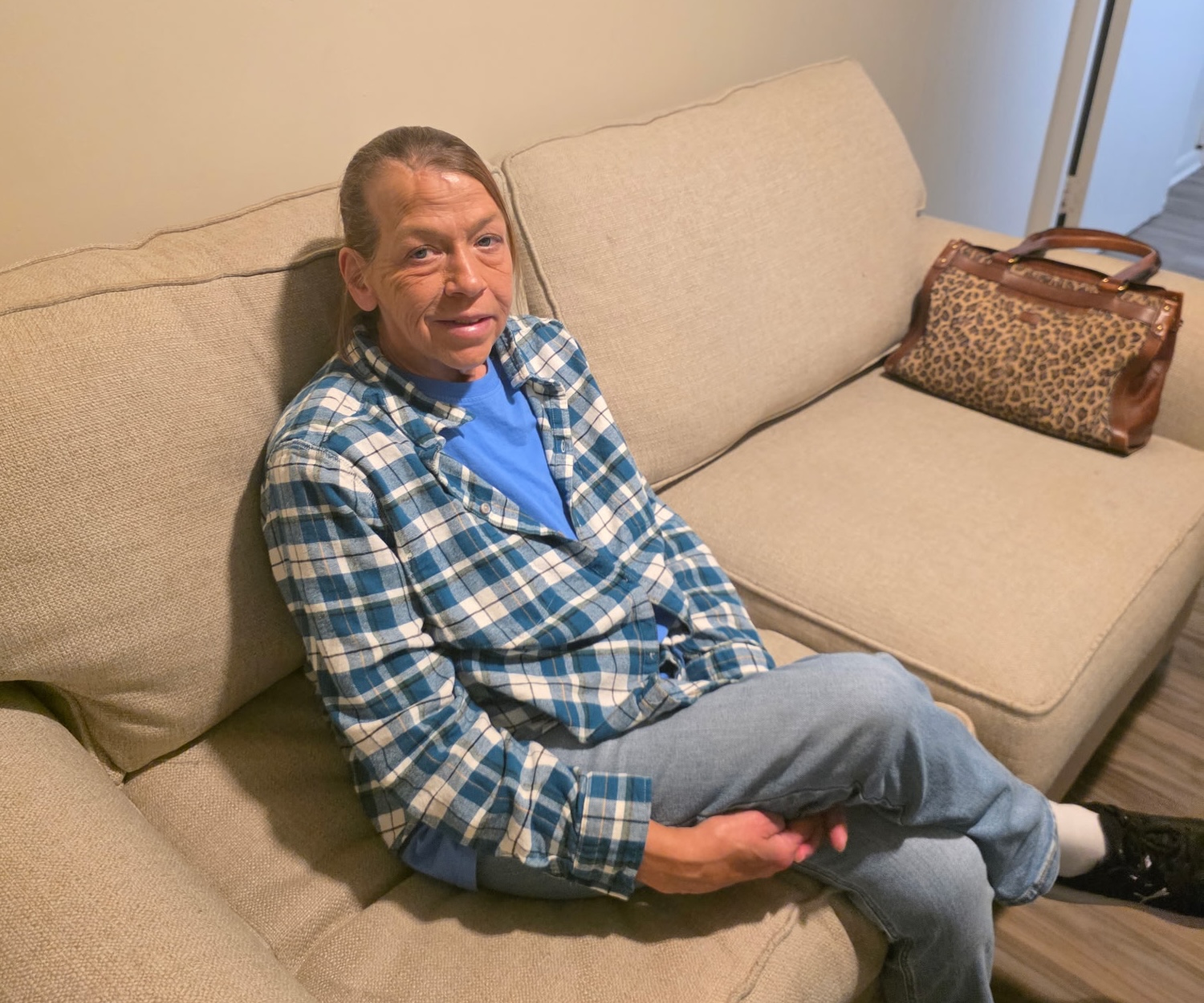
Sometimes the path out of homelessness begins with something as simple — and as critical — as a safe place to heal.
When Paula was discharged from the hospital, she had nowhere to go. She was well enough to leave the hospital, but not well enough to recover on the streets.
Without stable housing, people in this situation face an impossible reality. They may still be recovering from illness or injury, yet they have no safe place to rest, manage medications, or attend follow-up medical appointments.
Paula came to the Salvation Army of Knoxville’s medical respite program, one of the services we offer to support individuals experiencing homelessness who need time to recover after a hospital stay.
Medical respite care provides short-term housing and support for people who are medically stable enough to leave the hospital but still require a safe environment to heal. Without programs like this, many patients are discharged directly to the streets or into emergency shelters that are not designed to support medical recovery.
Situations like Paula’s are more common than many people realize.
Research shows that individuals experiencing homelessness visit emergency departments far more often than those with stable housing. Many return repeatedly because their health conditions worsen without a place to rest, recover, or manage treatment. Studies indicate that people experiencing homelessness are about three times more likely to rely on emergency rooms for care than the general population.
This cycle takes a toll on both individuals and the healthcare system. Hospitals are designed to treat acute illness or injury, not to serve as places for extended recovery. Emergency departments, meanwhile, are not meant to function as a substitute for stable housing.
Medical respite programs were created to interrupt that cycle.
By providing a safe place to recover, these programs allow patients to rest, manage medications, attend follow-up appointments, and begin addressing the broader challenges connected to housing instability. Research shows that medical respite care can reduce hospital readmissions and emergency room visits while helping individuals reconnect with healthcare providers, benefits programs, and stable housing.
During her time in respite care, Paula was able to focus on healing while working through the steps needed to stabilize her situation. Staff helped her navigate community resources and secure benefits that would allow her to move into housing of her own.
Today, Paula has her own home.
Her story is a reminder that homelessness and health are deeply connected. When someone is trying to recover from illness while also facing housing instability, even basic tasks become difficult.
A safe place to heal can change the trajectory of recovery.
At The Salvation Army of Knoxville, medical respite care is one of the ways we work to address the complex realities behind homelessness and help individuals move toward a more secure future.
More reading on the need for medical respite care amongst the unhoused can be found here:
The Revolving Hospital Door: Hospital Readmissions Among Patients Who Are Homeless
Characteristics of Homeless Individuals Using Emergency Department Services in 2014